
For years, buying a budget car in India meant quietly accepting a tradeoff. You got the price you needed. In a serious crash, the car would crumple badly. Nobody said this out loud, but everybody who thought about it knew it.
Bharat NCAP was supposed to change that. The question worth asking in 2026 is whether it actually has — or whether carmakers have just gotten better at looking safe on paper.
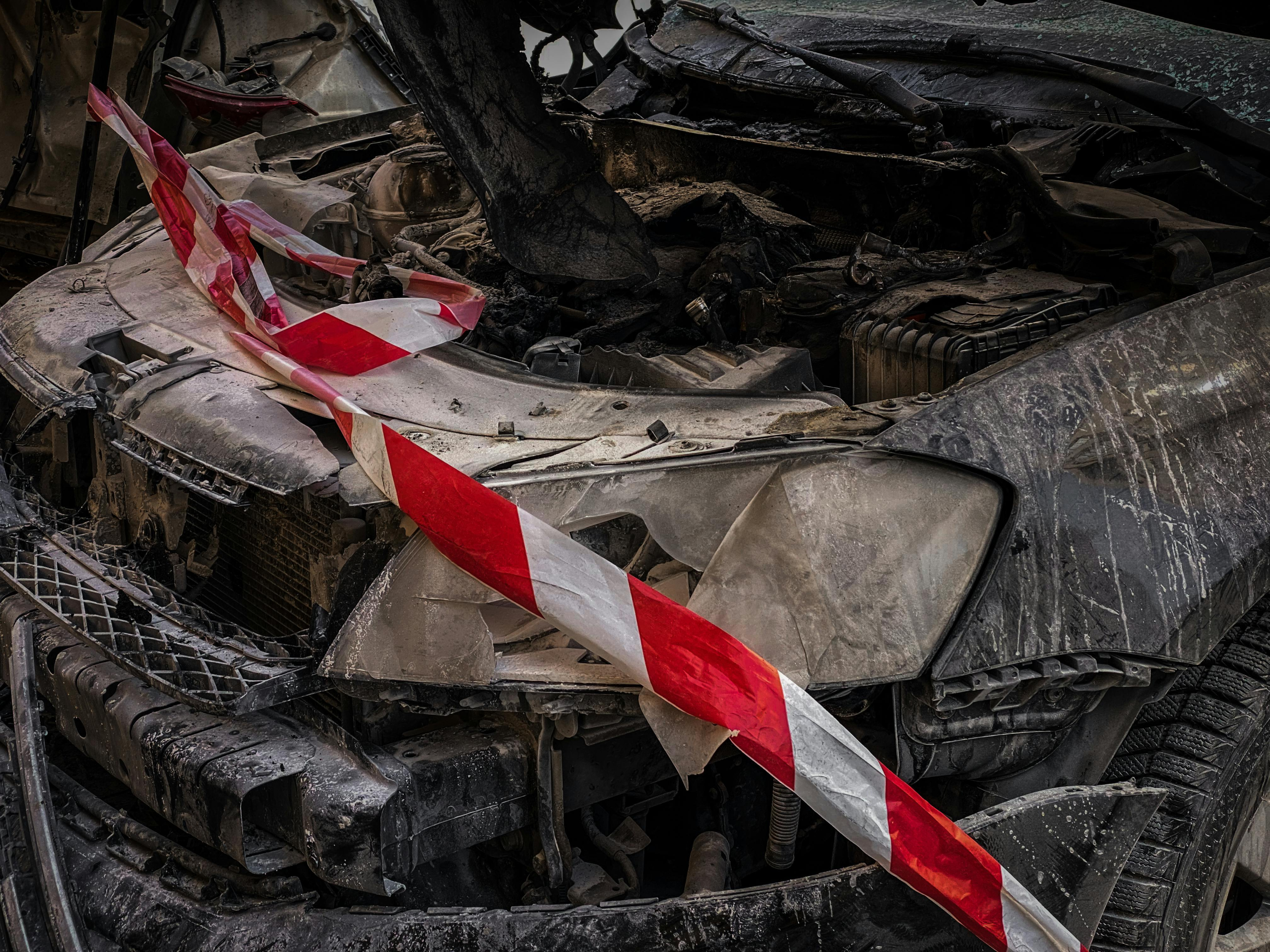
From January, six airbags are the effective baseline for any car chasing a high rating. That’s a real shift from two years ago. But airbag count is one of the easier boxes to check. You can bolt in six airbags and still have a cabin structure that folds the wrong way in an offset frontal crash. The bags fire, the numbers look okay, the occupant still gets hurt. The structure wasn’t there to begin with.
A handful of manufacturers have done the harder work — thicker high-strength steel in the A and B pillars, better crumple zone geometry, improved door beam placement. Tata has been the most consistent, and their scores reflect how the car actually performs in a crash rather than which features it has. Maruti moved faster than most people expected on the Fronx and Jimny. Their entry-level hatchbacks are a different story — those still carry structural compromises that no airbag count is going to fix.
The ones to be careful about are manufacturers treating NCAP as a branding exercise. Putting six airbags in a weak body shell is roughly equivalent to fitting a seatbelt to a bicycle. The restraint works. The thing around it doesn’t. When you’re comparing cars, look at the overlap crash scores and the structural ratings specifically — not just the stars.
Child safety is where the 2026 standards expose another gap. ISOFIX has existed for years, but how well it’s implemented varies a lot across budget models. Several cars that score well on adult protection have rear seating geometry that makes installing a child seat genuinely awkward. Bharat NCAP’s methodology doesn’t penalise that enough yet.
Are budget cars finally safe? Some of them, yes. More than before, definitely. But the star rating on the brochure is not the whole story. Before buying, look up the actual Bharat NCAP test report for the specific variant you’re considering — not the fully-loaded trim that got tested. The one you can afford. Manufacturers test the top spec and then market the rating across every version in the range, including base models that may be missing the structural reinforcements or airbag positions that were in the test car.
The safety has improved. Just not evenly — and the marketing got sharper faster than the engineering did in a few cases.