
By Kshitij Dedha | CarsideKick | May 2026
Everyone’s talking about EVs. The government wants them, automakers are launching them, and the subsidies while shrinking are still there. But quietly, a different technology is being pushed through draft rules and industry lobbying that could matter a lot more to the average Indian car buyer. Flex-fuel vehicles aren’t as exciting to talk about. They might be the smarter bet anyway.
Here’s the actual question nobody’s framing directly: if you’re a middle-class buyer in 2026 looking at a 10-year ownership horizon, do you buy a budget EV or wait for an FFV Maruti or Toyota running on E85?
The infrastructure argument alone settles most of it.
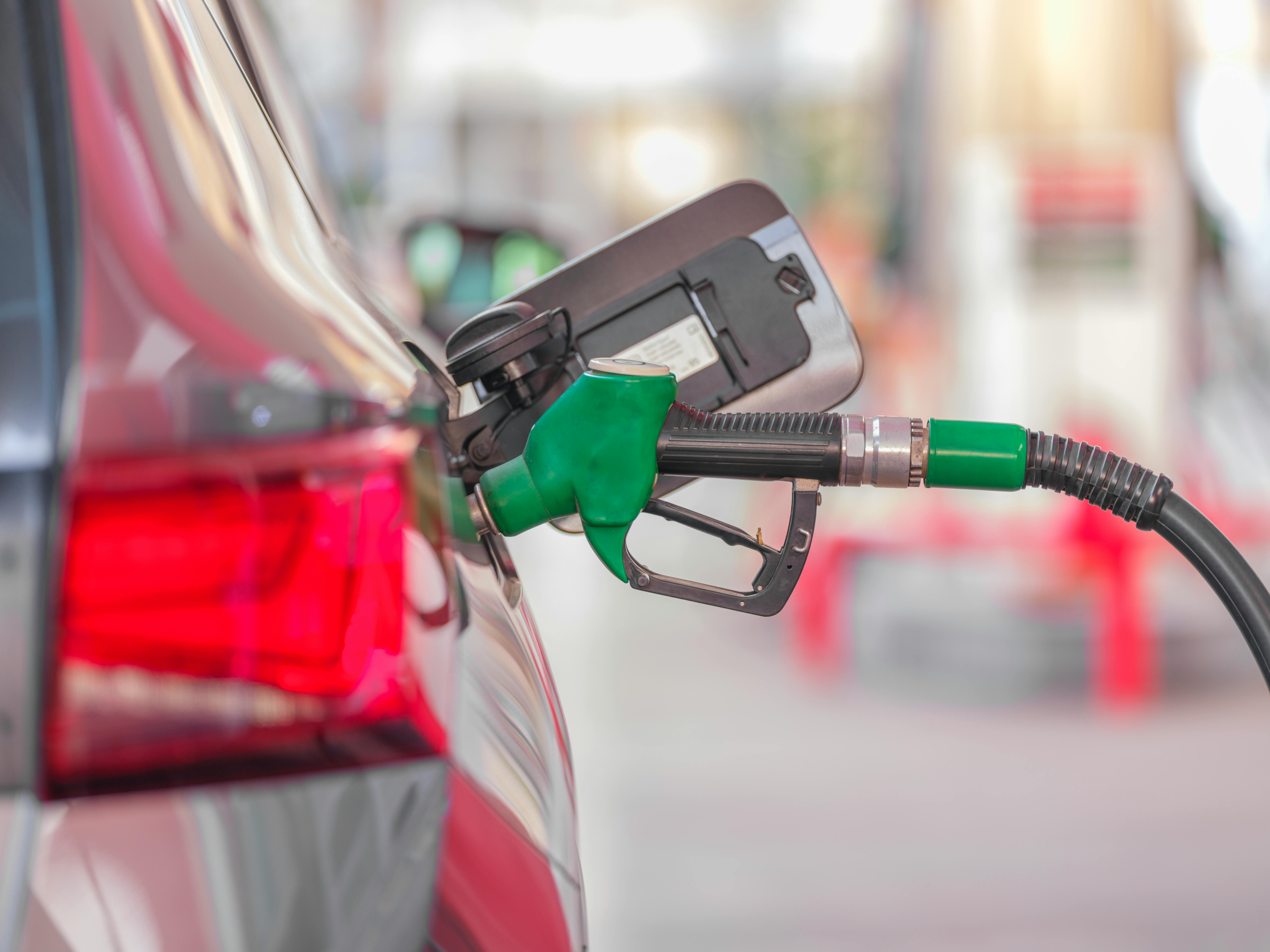
India has roughly 12,000 public EV charging stations as of early 2026. Sounds like a lot until you realise the country has over 80,000 petrol bunks — and converting existing ones to dispense E85 or E100 requires far less capital than building DC fast chargers from scratch. You’re not waiting for new infrastructure. You’re modifying what’s already there. For someone in Meerut or Nagpur or any city that isn’t Bangalore or Delhi, that difference is not theoretical. It’s the difference between a car that works and one that causes stress.
The apartment problem is real and underreported. EV ownership in India increasingly breaks along housing lines. If you have a private garage or independent house, home charging works. If you live in a society which a large chunk of urban middle-class India does you’re at the mercy of your RWA. Across the country, society residents have run into the same wall RWAs either outright refusing charger installations or dragging the approval process long enough that owners give up. It’s not a fringe problem anymore. FFVs sidestep this entirely. You fill up at a bunk. That’s it.
The cost picture is messier than the pro-EV crowd usually admits. A Tata Punch EV sits at roughly ₹10 lakh to start, and that number doesn’t move much even with subsidies thinning out under FAME’s latest revision. An FFV Fronx or a flex-fuel Swift will almost certainly land cheaper probably meaningfully so as the subsidy tailwind for EVs keeps fading. The running cost advantage of EVs is real but narrows considerably when you account for E85’s lower per-kilometre cost versus pure petrol ethanol blends are priced at a discount, and that gap widens as blending targets increase toward the government’s E20 and eventual E85 goals.
The 10-year ownership math is where FFVs start looking genuinely interesting. Battery degradation in budget EVs is a known concern most entry-level batteries are warranted for 8 years or 1.6 lakh kilometres, and replacement costs remain high enough to be a serious financial event. An FFV running a conventional drivetrain with flex-fuel compatibility has no equivalent risk. The engine technology is proven, the maintenance network already exists, and there’s no single expensive component waiting to fail.
CAFE III is pushing manufacturers in this direction faster than most buyers realise. Under the draft norms, flex-fuel vehicles carry a Volume Derogation Factor of 1.1-1.5, but the All-India Distillers’ Association is lobbying hard to raise that to 2.5 putting FFVs on par with PHEVs for compliance purposes. If that goes through, every major automaker has a strong regulatory reason to prioritise FFVs. Toyota and Maruti have already shown flex-fuel versions of the Hycross and Fronx. Royal Enfield is testing E85 on the Classic 350. This isn’t concept-stage technology anymore.
The ethanol angle also matters for a reason that doesn’t get enough airtime: energy security. India spends enormously on crude oil imports every year. Ethanol comes from sugarcane and grain crops India produces in surplus. A large-scale shift to E85 trims that import bill meaningfully and puts money into the agricultural economy. The government’s support for FFVs isn’t just green policy, it’s economic strategy with a strong rural political constituency behind it.
None of this means EVs are wrong for everyone. If you live in a metro, own a private charging point, and your daily commute is under 80 kilometres, a budget EV makes reasonable sense today. The running cost advantage is real, the technology is improving, and domestic battery manufacturing investment from Tata and Reliance will eventually bring replacement costs down.
But for the median Indian middle-class buyer tier 2 city, apartment dwelling, 10-year ownership mindset, no guaranteed home charging an FFV is a more practical vehicle right now and arguably for the next several years. The infrastructure is already there, the fuel is getting cheaper as blending targets climb, upfront prices are lower, and there’s no expensive battery sitting in the car waiting to become your problem a decade from now.
The EV transition will happen. It’s just going to take longer than the headlines suggest, and in the meantime, flex-fuel might quietly win the middle of the market.