India’s Scrappage Policy Is Doing Something Nobody Quite Expected By Kshitij Dedha | CarsideKick | May 2026

The government sold it as a green initiative. Retire old polluting vehicles, collect a scrappage certificate, get a discount on your next car. Clean roads, fresh inventory, everyone wins.
That’s not quite how it’s playing out.
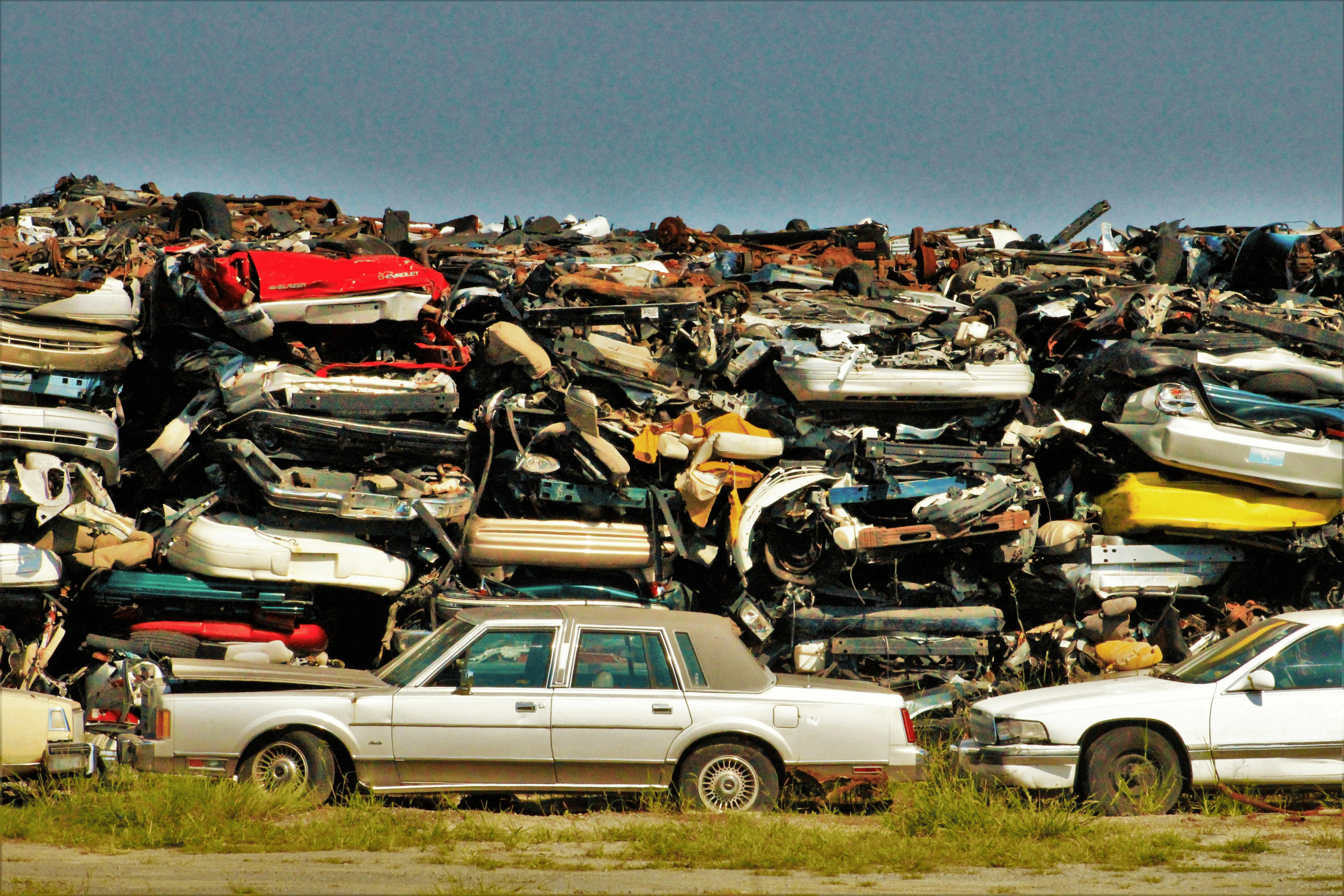
Scrappage incentives under the Registered Vehicle Scrapping Facility (RVSF) framework were supposed to pull 15-year-old cars off roads and funnel buyers toward new purchases. And to some extent, they have. But the effects downstream are a lot more complicated than the policy makers had hoped for.
Despite being high due to post-COVID era disruptions to the supply chain, used car prices have yet to come down as per expectation. Car models which are 10-12 years old, right outside the cut-off age for scrapping, have become highly valued vehicles. There is no scrapping. Instead, they are being held on to. The consequence is that there has been tightening rather than a loosening in the supply of these cars, resulting in a rise of about 7-12% in their prices till late 2024, based on the Carsidekick database.
For first time buyers, this becomes a problem. With prices on new cars going higher every day and CAFE III increasing prices even further by another ₹20,000 to ₹1.25 lakh starting FY27, used cars no longer provide an affordable alternative. The vehicle that offers the best value proposition, a 5-8 year-old hatchback, costs much more than what it did before.. Tighter used supply nudges buyers toward new vehicles, and inflated used valuations give trade-in customers a flattering number on their exchange offer — which dealers promptly absorb into the new car margin. It’s a convenient loop.The scrappage certificate discount itself, typically ₹15,000-30,000 off a new vehicle depending on the manufacturer, is real but modest. On a ₹9 lakh hatchback, it moves the needle by about 2-3 per cent. Not nothing, but not enough to change a buying decision on its own.Where the policy does work is in the commercial vehicle segment. Fleet operators running older trucks and buses face fitness certificate renewals that become increasingly expensive past 15 years — the economics of scrapping actually make sense there. CV scrappage volumes have outpaced personal vehicle scrapping by a significant margin since FY23.The personal vehicle story is slower and more complicated. As of early 2025, fewer than 4 lakh private cars had been processed through RVSFs nationally, against an estimated 50 lakh-plus vehicles that technically qualify. Awareness is low, RVSF infrastructure outside major cities is thin, and the financial case for the average owner is weak unless they were already planning to buy newWhat’s coming next may sharpen the incentives considerably. If the government moves to restrict fitness renewals for personal vehicles beyond 20 years — something that’s been in discussion but not yet notified — the scrappage pipeline fills fast, whether owners like it or not. That changes the calculus for everyone: RVSF operators who need volume, OEMs who need the demand push, and the millions of households still running a 2003 Maruti 800 that refuses to die.
For now, the policy sits in a middle state: working well enough in commercial vehicles to be called a success, not quite delivering on personal vehicles, and quietly distorting the used car market in ways nobody originally modeled. The ₹15,000 scrappage certificate was never going to move India’s car fleet overnight. But the knock-on effects on used car pricing are real, and buyers navigating the market in FY26 are feeling them directly — even if they don’t know why.