Uncategorized

Ceramic, Graphene, or PPF — What to Actually Buy in 2026Car Sidekick | May 2026

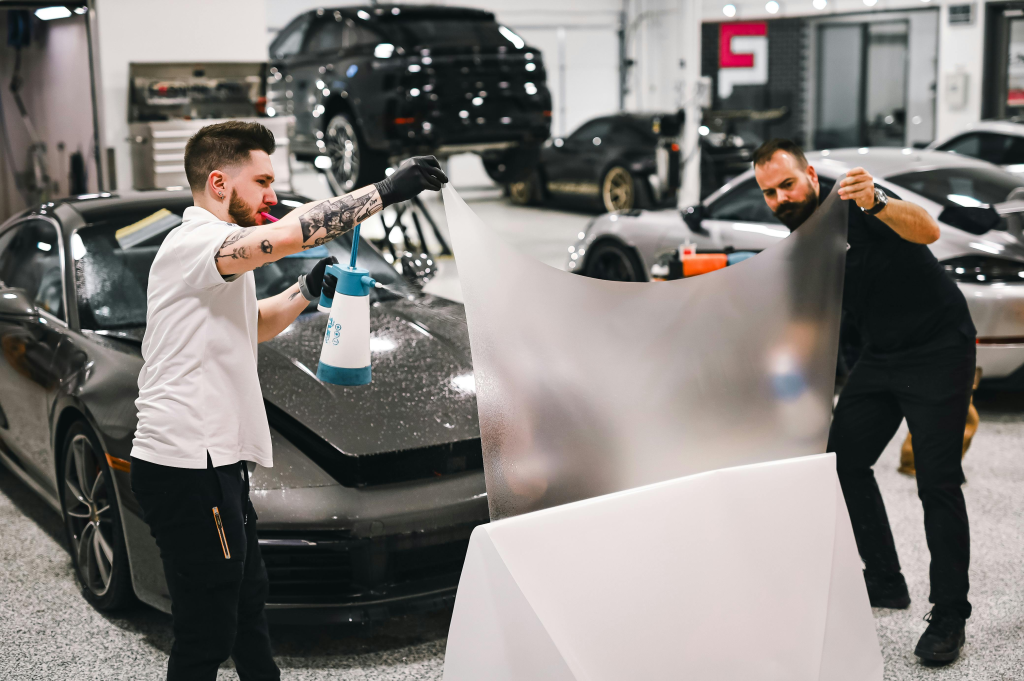
You just bought a new car, or you’re close to it. Someone at the dealership or a detailing studio has already thrown three products at you — ceramic coating, graphene, PPF — and you’re supposed to pick one without really understanding what any of them do. Nobody’s explaining it clearly and all three cost real money.So here’s the plain version. What you’re paying for All three sit on top of your factory paint and protect it from damage. Where it gets confusing is that they protect against completely different things.Ceramic coating is made of silicon dioxide liquid, and this compound binds chemically to your paint upon curing. It creates a hydrophobic surface meaning water droplets bead and roll away rather than settle in one place. Your car will remain cleaner between washes; it will be faster to wash and you even get some extra UV protection at the same time. This is especially important in Indian summers where constant sun exposure silently oxidises paint before you even know it happened.Graphene coating is ceramic with graphene added. Graphene is a single layer carbon structure with the durability of diamond and lightweightness of aluminium combined. Graphene adds two features ceramic cannot provide on its own: it is anti-static so dust has nothing to stick to, and it absorbs less heat allowing water droplets to bead and roll away without ever evaporating. If you have ever found yourself cleaning your car twice within an hour due to water spots, you understand why graphene coating is crucial.PPF is a different product entirely. It’s a physical thermoplastic polyurethane film that sticks to your paint and takes impacts so your paint doesn’t have to. Rock chips, highway gravel, door edge scratches — it absorbs all of it. And when the film itself picks up minor scratches, a bit of heat makes them disappear. That self-healing part is something neither ceramic nor graphene can do. What it costsCeramic: Rs. 15,000–45,000. Graphene: Rs. 35,000–50,000. PPF starts at Rs. 85,000 and crosses Rs. 2,30,000 for bigger cars or full coverage.Ceramic and graphene go on in a day. PPF takes 2–3 days minimum. What to actually pick Mostly city driving? Ceramic or graphene. If you’re in NCR, graphene is worth the extra spend. The dust here is genuinely relentless, and without anti-static coating, your car looks dirty a day after washing. Graphene buys you noticeably more time between washes — not a dramatic difference on paper, but one you actually feel when you own the car.Regular highway driving? Your front end is collecting chip damage you probably won’t notice until the paint’s already gone. Ceramic and graphene won’t stop that. PPF will. If you’re doing the Delhi-Agra or Delhi-Jaipur run even occasionally, PPF on the front impact zones isn’t paranoid — it’s just what makes sense.Want the proper setup? Combine them. PPF on the front bumper, hood, fenders and mirrors, graphene on everything else. More expensive upfront, but you’re getting actual impact protection where the car takes hits and a deep gloss across the rest of it. It’s the most complete thing you can put on a car right now. Before you book anything Get it done at a studio that knows what it’s doing. Badly applied PPF looks terrible and can trap moisture under the film. Poorly done ceramic won’t bond properly and will start peeling. The product quality matters, but so does the installer. Don’t spend on the right product and then cut corners on the application.Drop a comment if you have questions about what makes sense for your specific car. I’m Kshitij Dedha from Car Sidekick and I’m happy to help you work it out.
Uncategorized

The Bharat NCAP Illusion: Why 5-Star Ratings Are Deceiving Indian Car Buyers in 2026

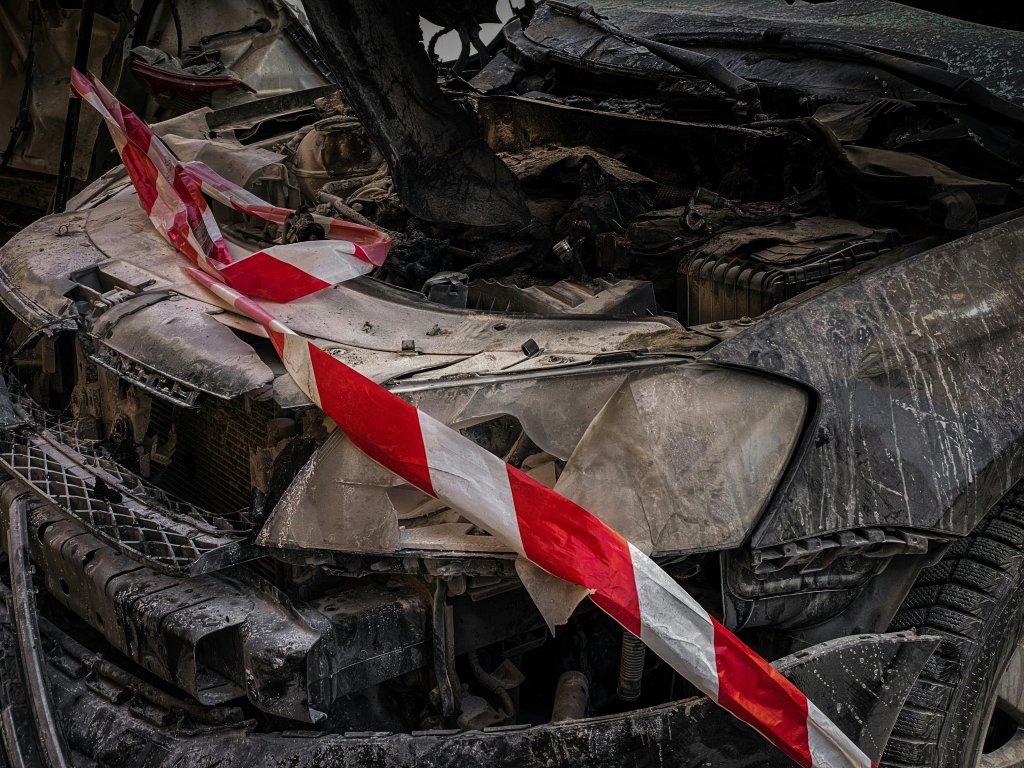
For years, buying a budget car in India meant quietly accepting a tradeoff. You got the price you needed. In a serious crash, the car would crumple badly. Nobody said this out loud, but everybody who thought about it knew it.Bharat NCAP was supposed to change that. The question worth asking in 2026 is whether it actually has — or whether carmakers have just gotten better at looking safe on paper.From January, six airbags are the effective baseline for any car chasing a high rating. That’s a real shift from two years ago. But airbag count is one of the easier boxes to check. You can bolt in six airbags and still have a cabin structure that folds the wrong way in an offset frontal crash. The bags fire, the numbers look okay, the occupant still gets hurt. The structure wasn’t there to begin with.A handful of manufacturers have done the harder work — thicker high-strength steel in the A and B pillars, better crumple zone geometry, improved door beam placement. Tata has been the most consistent, and their scores reflect how the car actually performs in a crash rather than which features it has. Maruti moved faster than most people expected on the Fronx and Jimny. Their entry-level hatchbacks are a different story — those still carry structural compromises that no airbag count is going to fix.The ones to be careful about are manufacturers treating NCAP as a branding exercise. Putting six airbags in a weak body shell is roughly equivalent to fitting a seatbelt to a bicycle. The restraint works. The thing around it doesn’t. When you’re comparing cars, look at the overlap crash scores and the structural ratings specifically — not just the stars.Child safety is where the 2026 standards expose another gap. ISOFIX has existed for years, but how well it’s implemented varies a lot across budget models. Several cars that score well on adult protection have rear seating geometry that makes installing a child seat genuinely awkward. Bharat NCAP’s methodology doesn’t penalise that enough yet.Are budget cars finally safe? Some of them, yes. More than before, definitely. But the star rating on the brochure is not the whole story. Before buying, look up the actual Bharat NCAP test report for the specific variant you’re considering — not the fully-loaded trim that got tested. The one you can afford. Manufacturers test the top spec and then market the rating across every version in the range, including base models that may be missing the structural reinforcements or airbag positions that were in the test car.The safety has improved. Just not evenly — and the marketing got sharper faster than the engineering did in a few cases.

Uncategorized

Flex-Fuel vs. Electric: The Real Winner for the Indian Middle Class

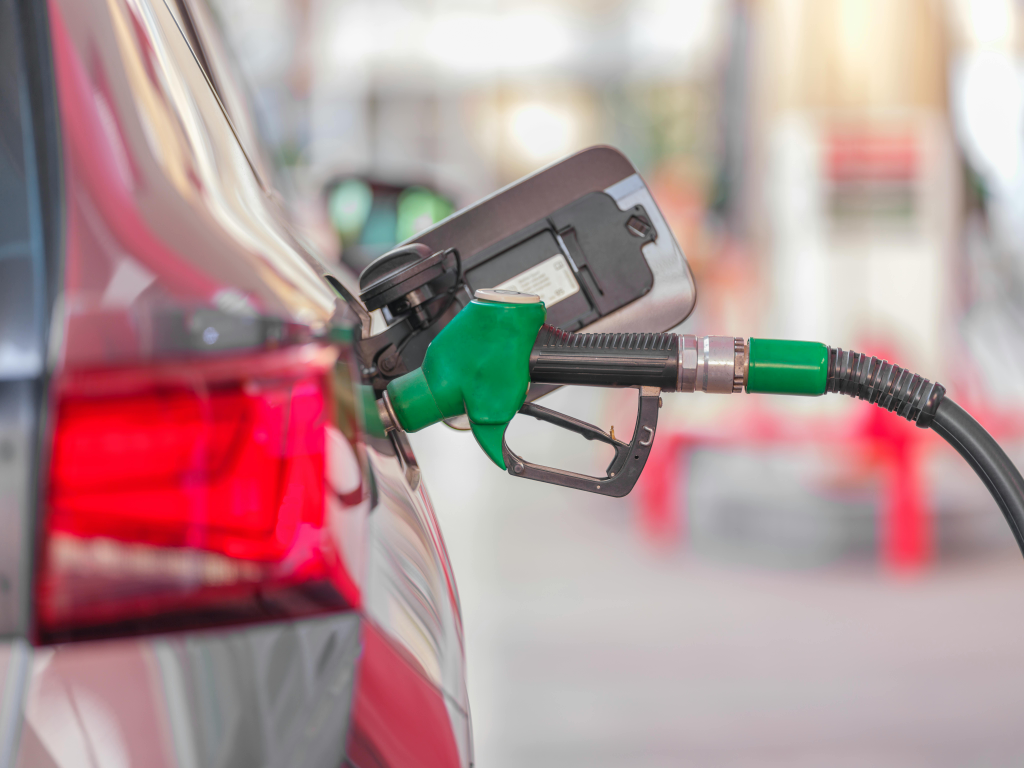
By Kshitij Dedha | CarsideKick | May 2026 Everyone’s talking about EVs. The government wants them, automakers are launching them, and the subsidies while shrinking are still there. But quietly, a different technology is being pushed through draft rules and industry lobbying that could matter a lot more to the average Indian car buyer. Flex-fuel vehicles aren’t as exciting to talk about. They might be the smarter bet anyway.Here’s the actual question nobody’s framing directly: if you’re a middle-class buyer in 2026 looking at a 10-year ownership horizon, do you buy a budget EV or wait for an FFV Maruti or Toyota running on E85?The infrastructure argument alone settles most of it.India has roughly 12,000 public EV charging stations as of early 2026. Sounds like a lot until you realise the country has over 80,000 petrol bunks — and converting existing ones to dispense E85 or E100 requires far less capital than building DC fast chargers from scratch. You’re not waiting for new infrastructure. You’re modifying what’s already there. For someone in Meerut or Nagpur or any city that isn’t Bangalore or Delhi, that difference is not theoretical. It’s the difference between a car that works and one that causes stress.The apartment problem is real and underreported. EV ownership in India increasingly breaks along housing lines. If you have a private garage or independent house, home charging works. If you live in a society which a large chunk of urban middle-class India does you’re at the mercy of your RWA. Across the country, society residents have run into the same wall RWAs either outright refusing charger installations or dragging the approval process long enough that owners give up. It’s not a fringe problem anymore. FFVs sidestep this entirely. You fill up at a bunk. That’s it.The cost picture is messier than the pro-EV crowd usually admits. A Tata Punch EV sits at roughly ₹10 lakh to start, and that number doesn’t move much even with subsidies thinning out under FAME’s latest revision. An FFV Fronx or a flex-fuel Swift will almost certainly land cheaper probably meaningfully so as the subsidy tailwind for EVs keeps fading. The running cost advantage of EVs is real but narrows considerably when you account for E85’s lower per-kilometre cost versus pure petrol ethanol blends are priced at a discount, and that gap widens as blending targets increase toward the government’s E20 and eventual E85 goals.The 10-year ownership math is where FFVs start looking genuinely interesting. Battery degradation in budget EVs is a known concern most entry-level batteries are warranted for 8 years or 1.6 lakh kilometres, and replacement costs remain high enough to be a serious financial event. An FFV running a conventional drivetrain with flex-fuel compatibility has no equivalent risk. The engine technology is proven, the maintenance network already exists, and there’s no single expensive component waiting to fail.CAFE III is pushing manufacturers in this direction faster than most buyers realise. Under the draft norms, flex-fuel vehicles carry a Volume Derogation Factor of 1.1-1.5, but the All-India Distillers’ Association is lobbying hard to raise that to 2.5 putting FFVs on par with PHEVs for compliance purposes. If that goes through, every major automaker has a strong regulatory reason to prioritise FFVs. Toyota and Maruti have already shown flex-fuel versions of the Hycross and Fronx. Royal Enfield is testing E85 on the Classic 350. This isn’t concept-stage technology anymore.The ethanol angle also matters for a reason that doesn’t get enough airtime: energy security. India spends enormously on crude oil imports every year. Ethanol comes from sugarcane and grain crops India produces in surplus. A large-scale shift to E85 trims that import bill meaningfully and puts money into the agricultural economy. The government’s support for FFVs isn’t just green policy, it’s economic strategy with a strong rural political constituency behind it.None of this means EVs are wrong for everyone. If you live in a metro, own a private charging point, and your daily commute is under 80 kilometres, a budget EV makes reasonable sense today. The running cost advantage is real, the technology is improving, and domestic battery manufacturing investment from Tata and Reliance will eventually bring replacement costs down.But for the median Indian middle-class buyer tier 2 city, apartment dwelling, 10-year ownership mindset, no guaranteed home charging an FFV is a more practical vehicle right now and arguably for the next several years. The infrastructure is already there, the fuel is getting cheaper as blending targets climb, upfront prices are lower, and there’s no expensive battery sitting in the car waiting to become your problem a decade from now.The EV transition will happen. It’s just going to take longer than the headlines suggest, and in the meantime, flex-fuel might quietly win the middle of the market.

Uncategorized

India’s Scrappage Policy Is Doing Something Nobody Quite Expected By Kshitij Dedha | CarsideKick | May 2026

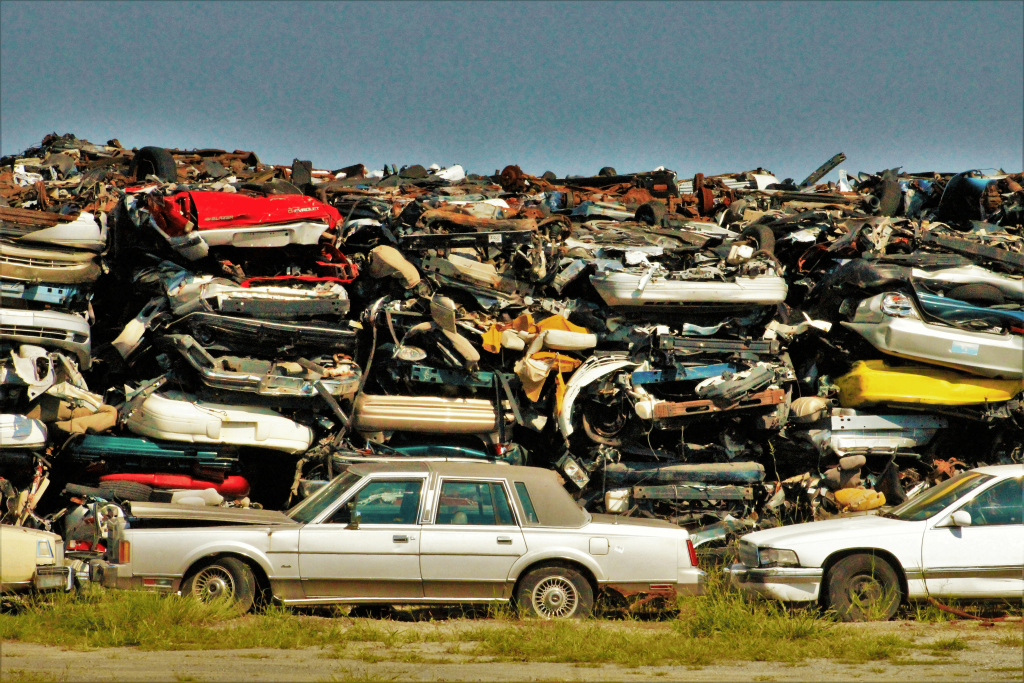
The government sold it as a green initiative. Retire old polluting vehicles, collect a scrappage certificate, get a discount on your next car. Clean roads, fresh inventory, everyone wins. That’s not quite how it’s playing out. Scrappage incentives under the Registered Vehicle Scrapping Facility (RVSF) framework were supposed to pull 15-year-old cars off roads and funnel buyers toward new purchases. And to some extent, they have. But the effects downstream are a lot more complicated than the policy makers had hoped for. Despite being high due to post-COVID era disruptions to the supply chain, used car prices have yet to come down as per expectation. Car models which are 10-12 years old, right outside the cut-off age for scrapping, have become highly valued vehicles. There is no scrapping. Instead, they are being held on to. The consequence is that there has been tightening rather than a loosening in the supply of these cars, resulting in a rise of about 7-12% in their prices till late 2024, based on the Carsidekick database. For first time buyers, this becomes a problem. With prices on new cars going higher every day and CAFE III increasing prices even further by another ₹20,000 to ₹1.25 lakh starting FY27, used cars no longer provide an affordable alternative. The vehicle that offers the best value proposition, a 5-8 year-old hatchback, costs much more than what it did before.. Tighter used supply nudges buyers toward new vehicles, and inflated used valuations give trade-in customers a flattering number on their exchange offer — which dealers promptly absorb into the new car margin. It’s a convenient loop.The scrappage certificate discount itself, typically ₹15,000-30,000 off a new vehicle depending on the manufacturer, is real but modest. On a ₹9 lakh hatchback, it moves the needle by about 2-3 per cent. Not nothing, but not enough to change a buying decision on its own.Where the policy does work is in the commercial vehicle segment. Fleet operators running older trucks and buses face fitness certificate renewals that become increasingly expensive past 15 years — the economics of scrapping actually make sense there. CV scrappage volumes have outpaced personal vehicle scrapping by a significant margin since FY23.The personal vehicle story is slower and more complicated. As of early 2025, fewer than 4 lakh private cars had been processed through RVSFs nationally, against an estimated 50 lakh-plus vehicles that technically qualify. Awareness is low, RVSF infrastructure outside major cities is thin, and the financial case for the average owner is weak unless they were already planning to buy newWhat’s coming next may sharpen the incentives considerably. If the government moves to restrict fitness renewals for personal vehicles beyond 20 years — something that’s been in discussion but not yet notified — the scrappage pipeline fills fast, whether owners like it or not. That changes the calculus for everyone: RVSF operators who need volume, OEMs who need the demand push, and the millions of households still running a 2003 Maruti 800 that refuses to die. For now, the policy sits in a middle state: working well enough in commercial vehicles to be called a success, not quite delivering on personal vehicles, and quietly distorting the used car market in ways nobody originally modeled. The ₹15,000 scrappage certificate was never going to move India’s car fleet overnight. But the knock-on effects on used car pricing are real, and buyers navigating the market in FY26 are feeling them directly — even if they don’t know why.

Scroll to Top